

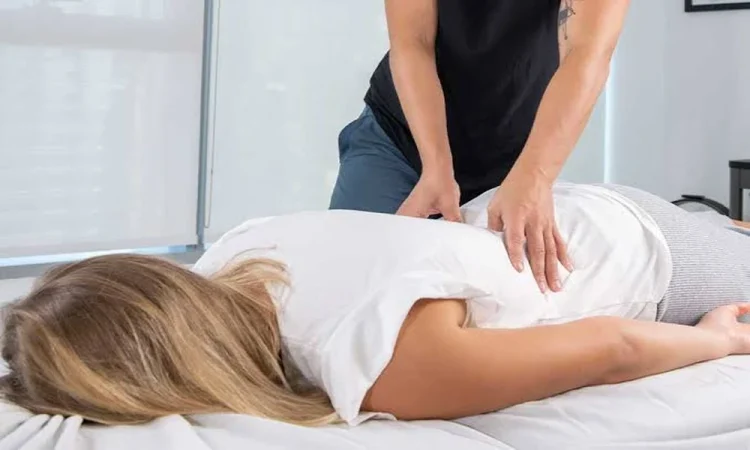
Everyday movement should feel natural, but repetitive work, old injuries, long hours at a desk, or sudden changes in activity can leave the body feeling stiff and uncomfortable. When this happens, people often focus only on the area that hurts. A broader assessment may be useful because the source of discomfort is not always located where symptoms are felt.
Osteopathic care takes a whole-body view of movement. A practitioner may assess posture, joint mobility, muscle tension, and the way different regions work together. For example, limited movement through the hips or upper back can influence how the lower back manages load. Understanding these relationships helps guide an individualized treatment plan rather than relying on the same approach for every person.
People exploring Osteopathy in Collingwood may be looking for help with back or neck discomfort, restricted mobility, postural strain, or tension related to work and recreation. Treatment commonly uses hands-on techniques selected according to the person’s presentation, comfort, and goals. The intention is to improve how the body moves and to support function, while recognizing that progress and response vary from person to person.
A first appointment usually begins with a health history and a conversation about symptoms. It is helpful to explain when the issue started, what makes it better or worse, whether it affects sleep or daily activities, and what treatment has already been tried. The practitioner can then perform an assessment, explain relevant findings, and discuss whether osteopathic care is appropriate. Referral to another regulated health professional may be recommended when further investigation is needed.
The best results often come from combining in-clinic care with practical habits. Gentle movement, appropriate strengthening, regular breaks from sitting, and gradual increases in activity can all support recovery. Advice should be realistic enough to fit into a normal week; a simple routine performed consistently is often more useful than an ambitious plan that is quickly abandoned.
Preparation can make the first visit more productive. Wear clothing that allows comfortable movement and bring a list of medications, relevant reports, and questions. Think about the result you hope to achieve, not only the symptom you want removed. If the problem changes before the appointment, tell the practitioner. A clear starting point makes it easier to judge whether care is helping. It also supports shared decisions about appointment frequency, home strategies, and when the plan should change. Patients do not need to understand anatomy in advance; describing the timing, triggers, and effect on daily life provides valuable information.
Choosing care is also about communication. Patients should feel comfortable asking why a technique is being used, what sensations are expected, and how progress will be reviewed. Clear goals-such as walking farther, returning to gardening, or sitting comfortably through a workday-make improvement easier to track. Osteopathy is not a guarantee or a replacement for necessary medical care, but it can be one part of a thoughtful plan for moving with greater ease and confidence.