
Starting cancer treatment brings a flood of information, most of it focused on the treatment itself, and far less on what the weeks and months afterward actually feel like. Fatigue that doesn’t lift with sleep, appetite that disappears, skin that reacts to therapy in ways no one warned you about. Effective cancer symptom management isn’t an afterthought to treatment, it’s what determines whether a patient can stay the course without their quality of life collapsing along the way.
Why Side Effects Deserve as Much Attention as the Treatment Itself
Chemotherapy, radiation, and surgery all work by disrupting the body at a cellular level, and healthy cells inevitably get caught in the crossfire. That’s not a flaw in modern oncology, it’s the underlying mechanism of most conventional treatments. What has changed over the past decade is how seriously the medical community now treats side-effect management, recognizing that poorly controlled symptoms often lead to dose delays, treatment breaks, or patients abandoning therapy altogether.
Common Side Effects Patients Experience
Fatigue
Cancer-related fatigue is different from ordinary tiredness. It doesn’t reliably improve with rest and can persist for weeks after a treatment cycle ends. It’s one of the most frequently reported symptoms across nearly every cancer type and treatment protocol.
Nausea and Digestive Issues
Chemotherapy in particular is associated with nausea, vomiting, and appetite loss, which can quickly lead to unintended weight loss if not managed early. Anti-nausea medications and dietary adjustments are typically the first line of response, but timing and consistency matter as much as the medication itself.
Hair Loss
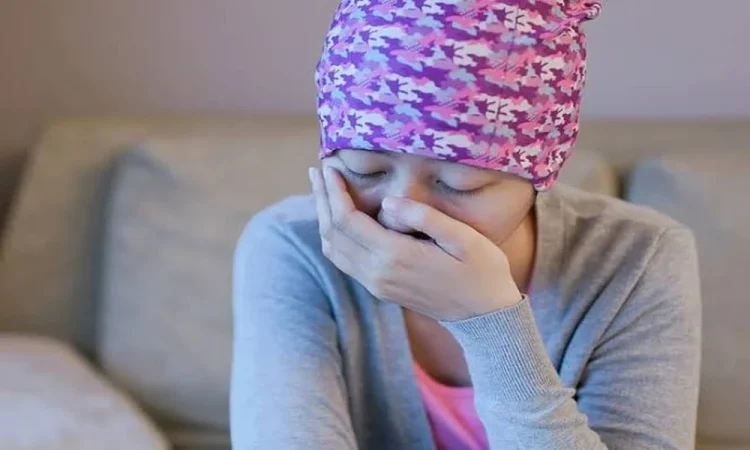
Hair loss remains one of the most visible and emotionally difficult side effects, particularly for patients on certain chemotherapy regimens. While it’s usually temporary, the psychological impact shouldn’t be minimized, and many centres now offer counseling support specifically around this.
Immune Suppression
Many cancer treatments lower white blood cell counts, leaving patients more vulnerable to infection during active treatment. This is one of the areas where supportive, immune-focused approaches have drawn growing clinical interest, since a stronger immune baseline can reduce the risk of treatment interruptions.
Pain and Neuropathy
Certain chemotherapy drugs cause peripheral neuropathy, tingling or numbness in the hands and feet, which can affect daily function long after treatment ends. Pain management plans need to be reassessed regularly rather than fixed at the start of treatment.
Practical Strategies for Coping With Cancer Treatment
Coping with cancer treatment works best as an ongoing, adjustable process rather than a single plan set at diagnosis. A few approaches consistently help patients manage the physical and emotional load:
- Track symptoms daily. Patterns in fatigue, appetite, or pain are far easier to manage when the care team can see trends rather than isolated complaints.
- Prioritize nutrition early, not reactively. Waiting until appetite loss becomes severe makes it much harder to reverse.
- Build in rest without full withdrawal. Complete inactivity can worsen fatigue over time; gentle movement, when medically appropriate, often helps more than total rest.
- Address the emotional toll directly. Anxiety and low mood are common during treatment and respond well to structured support rather than being left unaddressed.
Where Immune-Focused and Complementary Approaches Fit In
Alongside standard symptom management, a growing number of patients explore complementary approaches designed to support the immune system through treatment. Cancer healer therapy (CAM) is one such approach, focused on helping the body’s immune response work more effectively while aiming to reduce some of the collateral impact conventional treatments have on healthy tissue. It’s intended to work alongside a patient’s existing oncology plan, not in place of it, and should always be discussed with the treating doctor before starting.
Getting the Right Support in India
Cancer treatment in India has expanded considerably, with more hospitals now building structured symptom-management protocols into standard care rather than treating them as optional extras. Even so, the quality and depth of this support varies by centre, so it’s worth asking upfront how a hospital or clinic handles side-effect management, not just how it handles the primary treatment.
When to Talk to Your Care Team
Some side effects are expected and manageable at home, but others need prompt medical attention, persistent fever, signs of infection, severe dehydration, or pain that isn’t responding to prescribed medication. Patients and caregivers shouldn’t hesitate to flag anything unusual rather than waiting for a scheduled follow-up.
Managing side effects well can make the difference between completing treatment on schedule and facing repeated delays that affect outcomes. If you’re looking for a team that treats symptom management as central to the treatment plan rather than an afterthought, Cancer Healer Center works alongside patients’ existing oncology care across multiple centres in India to help make the treatment journey more manageable.
FAQs
Are cancer treatment side effects the same for everyone?
No. Side effects vary depending on the type of cancer, the specific treatment protocol, and individual patient factors like age and overall health. Two patients on the same chemotherapy regimen can have very different experiences.
How long do chemotherapy side effects typically last?
Some side effects, like nausea, tend to resolve within days of a treatment cycle, while others, like fatigue or neuropathy, can persist for weeks or longer. Timelines depend heavily on the specific drugs used and the patient’s overall health.
Can diet changes really help with treatment side effects?
Yes, in many cases. Adjusting food choices to manage nausea, maintain calorie intake, and support immune function can meaningfully affect how well a patient tolerates treatment, though any major dietary changes should be discussed with the care team.
Is cancer healer therapy (CAM) safe to use alongside chemotherapy?
It’s generally used as a complementary approach alongside conventional treatment, but any complementary therapy should be reviewed with your treating oncologist first to avoid interactions and ensure coordinated care.
When should a patient contact their doctor about a side effect?
Persistent fever, signs of infection, severe pain, or symptoms that worsen rather than improve should prompt immediate contact with the care team rather than waiting for the next scheduled appointment.