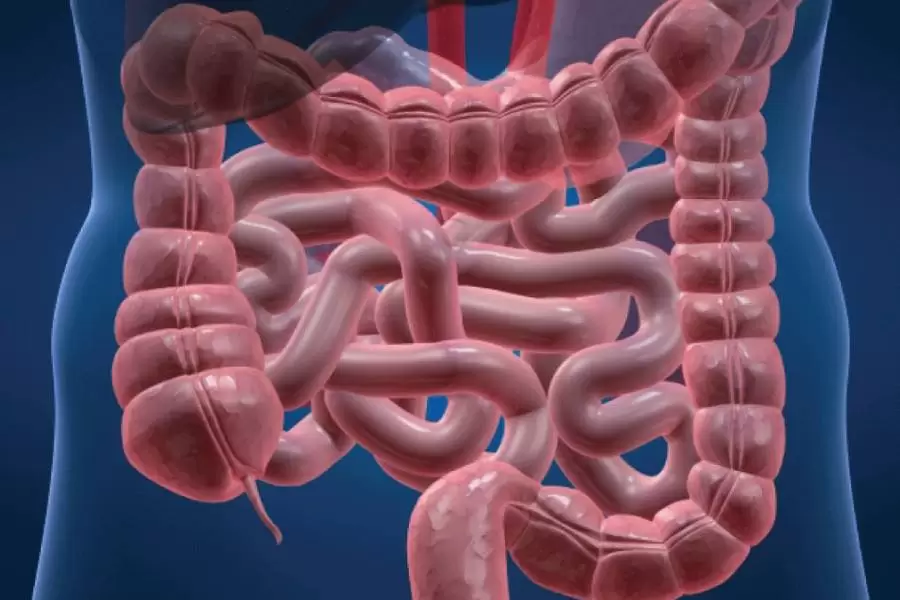

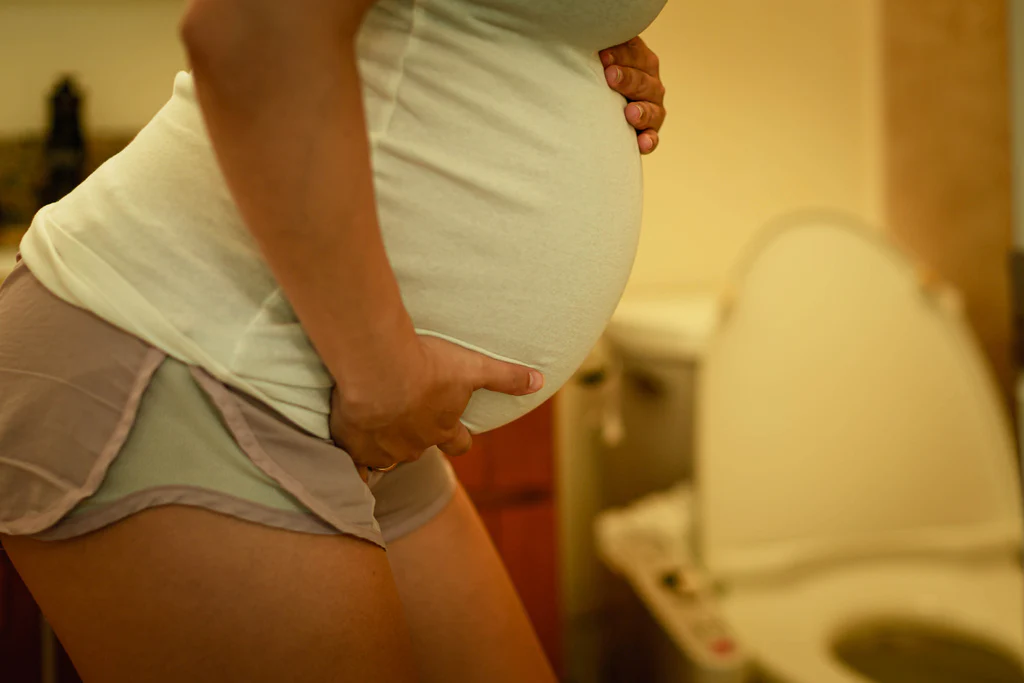
No one warns you about the constipation. The nausea gets plenty of attention, the fatigue gets sympathy cards—but the very real, very uncomfortable digestive slowdown that hits many women in the first trimester tends to get whispered about at best. Constipation in early pregnancy is largely driven by a surge in progesterone, which relaxes the muscles in the intestinal walls, slowing down digestion significantly.
Here’s the honest truth: constipation affects up to 40% of pregnant women, and it often starts in the first trimester – before the uterus is even large enough to cause mechanical pressure. Understanding why it happens makes finding relief a lot more straightforward.
Constipation in early pregnancy is primarily caused by elevated progesterone, which relaxes smooth muscle throughout the body – including the intestinal walls – slowing the movement of food and waste through the digestive tract. Iron supplements, changes in diet, reduced physical activity, and dehydration all compound this.
Why Pregnancy Causes Constipation
| Cause | How It Contributes |
|---|---|
| Progesterone | Relaxes smooth muscle → slows gut motility → slower transit time |
| Reduced activity | Many women rest more in the first trimester due to fatigue |
| Prenatal iron supplements | Iron is constipating for many women |
| Changed diet | Nausea may cause avoidance of fibre-rich foods |
| Dehydration | Increased fluid needs of pregnancy plus nausea reducing fluid intake |
| Reduced physical activity | Exercise stimulates gut motility |
What Constipation in Pregnancy Feels Like
- Fewer bowel movements than usual (typically fewer than 3 per week)
- Hard, dry, difficult-to-pass stools
- Straining
- Sensation of incomplete evacuation
- Bloating and abdominal discomfort
- Sometimes cramping
Safe Relief Options During Pregnancy
1. Increase Fibre Intake (Foundation)
Aim for 25-30g of fibre daily:
| High-Fibre Food | Fibre Content |
|---|---|
| Prunes (5) | ~3g – plus natural sorbitol (mild laxative effect) |
| Pears (1 medium) | ~5.5g |
| Lentils (1/2 cup cooked) | ~8g |
| Oats (1 cup cooked) | ~4g |
| Flaxseeds (1 tbsp) | ~3g |
| Broccoli (1 cup) | ~2.4g |
| Whole grain bread (2 slices) | ~4g |
Add fibre gradually – sudden increases can worsen gas and bloating.
2. Hydration – Often the Missing Piece
Fibre without water makes constipation worse. During pregnancy, aim for 2.5-3L of fluid daily. Warm liquids – warm water with lemon in the morning – are particularly useful for stimulating bowel movements.
3. Physical Activity
Even a 15-20 minute walk daily stimulates gut motility. Exercise is safe in uncomplicated pregnancy and one of the most effective non-pharmaceutical interventions for constipation.
4. Address Iron Supplements
Ferrous sulphate is the most constipating form of iron. Ask your doctor or midwife about:
- Ferrous bisglycinate or ferrous gluconate – better tolerated
- Taking iron every other day rather than daily – some evidence this improves absorption AND reduces side effects
- Liquid iron formulations – often gentler than tablets
5. Safe Laxatives in Pregnancy
| Option | Safety in Pregnancy | Notes |
|---|---|---|
| Bulk-forming laxatives (psyllium/Fybogel) | Safe | First-line; must be taken with plenty of water |
| Osmotic laxatives (lactulose, macrogol/Movicol) | Safe | Soften stool; mild and gentle |
| Stool softeners (docusate) | Generally safe | Mild effect |
| Stimulant laxatives (senna, bisacodyl) | Use with caution | Short-term only; avoid in first trimester if possible |
| Mineral oil | Avoid | Impairs fat-soluble vitamin absorption |
| Castor oil | Avoid | Can stimulate uterine contractions |
Always check with your midwife or doctor before using any laxative during pregnancy.
When to See a Doctor or Midwife
Contact your healthcare provider if:
- No bowel movement for more than 3-4 days despite dietary changes
- Severe abdominal pain alongside constipation
- Blood in the stool
- Haemorrhoids develop that are very painful or bleeding
- Constipation alternates with diarrhoea
Constipation and Haemorrhoids
Straining with constipation is the main trigger for haemorrhoids during pregnancy – a common and painful companion problem. Preventing constipation is the most effective way to prevent haemorrhoids.
If haemorrhoids do develop, topical treatments (haemorrhoid cream) are safe and provide relief while addressing the underlying constipation.
Bottom Line
Constipation in early pregnancy is genuinely common, genuinely uncomfortable, and genuinely addressable. Increasing fibre and fluid intake, maintaining gentle daily activity, and switching to a more gut-friendly form of iron (if prescribed) resolves most cases. For stubborn constipation, lactulose or macrogol (Movicol) are safe and effective options during pregnancy. Don’t just tough it out – the discomfort is avoidable with the right approach.