
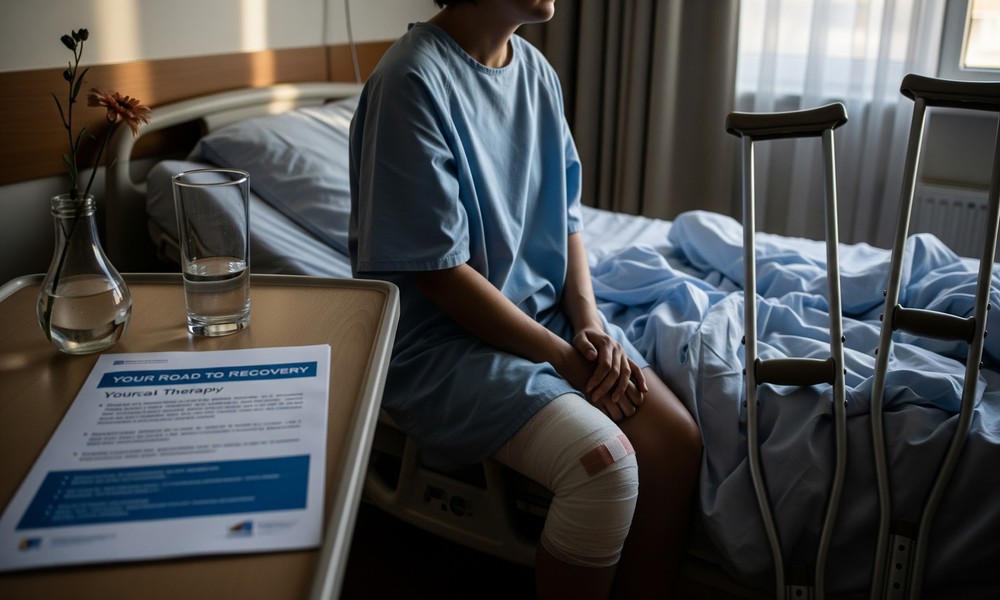
Recovery timelines often get framed as neat milestones, weeks to heal from surgery, months to rebuild strength after illness, or a few days to bounce back after hard physical effort. Real life is rarely that tidy. Some people feel better quickly, while others deal with lingering fatigue, discomfort, or limits in day-to-day function long after they thought they would be “back to normal.” When progress feels slow, it can be frustrating and confusing.
A slower recovery does not always mean something is wrong. Healing is a whole-body process shaped by tissue repair, the nervous system, metabolism, sleep, emotional health, and overall resilience. When several of these factors stack up at once, recovery can take longer while still moving in the right direction. Knowing what influences healing helps patients and caregivers set realistic expectations and choose strategies that support steady progress.
The Biology of Healing and Tissue Repair
Healing starts at the cellular level. After surgery, illness, or injury, the body kicks on inflammation and repair processes to restore function. Blood flow increases, immune cells clear damaged tissue, and new cells rebuild structures. All of that work depends on adequate nutrition, oxygen delivery, hydration, and hormonal balance.
Age, existing health conditions, and overall fitness can affect how efficiently the body repairs itself. Chronic conditions like diabetes, cardiovascular disease, and autoimmune disorders may slow recovery by affecting circulation, immune function, or tissue regeneration. Even among otherwise healthy people, recovery can vary due to genetics, environment, and everyday habits.
Surgical Recovery and Why Timelines Vary
Surgery creates controlled trauma that the body must repair. While surgeons often give an estimated timeline, individual recovery depends on the complexity of the procedure, how someone responds to anesthesia, and the intensity of their inflammatory response. Swelling, discomfort, and fatigue are common early on, but for some people, those symptoms last longer than expected.
Clinics like North Texas Facial Plastic Surgery, which supports facial plastic surgery patients through aftercare, often stress personalized recovery planning. Sleep quality, nutrition, stress levels, and how closely someone follows post-op instructions can all shape the experience. When patients expect variation, they are less likely to interpret a slower timeline as failure.
Fatigue, Endurance, and Energy Regulation
Recovery is not only about tissues closing up or bones knitting together. It is also about getting your energy back. Persistent fatigue after illness, surgery, or even intense exertion can reflect changes in inflammation, metabolism, and nervous system regulation. When fatigue lingers, it can make rehab and daily routines feel harder than they “should.”
Groups like the Workwell Foundation focus on exertion tolerance and fatigue testing, including how objective measures can support care planning and disability documentation when appropriate. Assessing energy capacity can help patients and clinicians build pacing strategies that reduce crashes and support gradual improvement. It also helps reframe fatigue as physiological, not a motivational issue.
Musculoskeletal Factors and Functional Limitations
Pain and mobility issues can stretch recovery timelines even when the original injury is healing. Muscles weaken quickly with reduced activity. Joints and connective tissues stiffen. People also compensate without realizing it, shifting their posture or movement in ways that create new strain elsewhere.
Orthopaedic spine surgeons, including practices like CalSpine MD that focus on neck care and musculoskeletal rehabilitation, often look for structural and movement-based reasons why recovery is stalling. Targeted exercises, posture work, and hands-on therapy can restore healthier movement patterns, reduce pain, and lower the risk of recurring issues.
Pain, the Nervous System, and Sensitization
Pain is meant to protect you, but ongoing pain is not always a sign of ongoing damage. After injury or surgery, the nervous system can become more reactive and amplify pain signals. This is often discussed as central sensitization, where the “volume knob” on pain is turned up.
Effective pain management may involve a mix of approaches, physical therapy, medication when appropriate, and techniques that support nervous system regulation. Education matters too. When people understand why pain can persist, they often feel less fear around movement, which can reduce tension and improve function over time.
Complementary Therapies and Supportive Care
Some people add complementary therapies to support comfort and recovery, especially approaches aimed at relaxation, circulation, and stress reduction. These can be helpful when they work alongside standard medical care and do not replace it.
Services like California Mobile Acupuncture may be part of a broader plan for post-procedure support. The key is coordination. Patients should loop in their healthcare team to make sure any supportive therapy is safe, appropriate, and aligned with the overall recovery plan.
Psychological and Emotional Influences
Emotional health can change how recovery feels and how long it takes. Anxiety, depression, and chronic stress can affect sleep, immune function, and pain sensitivity. After a major health event, it is normal to feel uncertain or vulnerable, and it is also normal to grieve the temporary loss of independence.
Mental health organizations such as Bristol Health emphasize the link between emotional regulation and physical healing, often encouraging counseling or psychiatric support as part of a full recovery plan. When emotional well-being is taken seriously, patients tend to feel steadier, more supported, and better able to keep showing up for rehab and self-care.
Strong social support matters too. Realistic expectations and attention to small wins can keep motivation intact when progress comes in inches, not leaps.
The Importance of Pacing and Gradual Progress
One of the most common reasons recovery drags on is overdoing it too soon. When someone pushes past their current capacity, symptoms can flare, and momentum can stall. Pacing, balancing activity with rest, helps the body adapt without triggering setbacks.
Gradual, structured increases in activity usually work better than intensity spikes. Consistency beats heroics, especially when the nervous system and energy systems are still recalibrating.
Closing Thoughts
Recovery timelines vary because healing is influenced by multiple, interconnected factors. Surgical stress, musculoskeletal function, energy regulation, nervous system sensitivity, and emotional health can all shape how quickly someone feels like themselves again. A longer recovery does not automatically mean something went wrong. Sometimes it simply means the body needs more time, better support, or a different strategy.
When patients understand what can slow recovery, they can respond with patience and practical adjustments. With coordinated care, realistic expectations, and individualized support, progress is still possible, even when the path takes longer than hoped.