
For many children, daily life can feel unpredictable and overwhelming. The world brings a nonstop stream of sounds, expectations, social interactions, and transitions. Some kids adapt quickly to shifting environments. Others have a much harder time, especially when routines change, sensory input ramps up, or expectations feel unclear.
For these children, structure is more than helpful. It can be essential for emotional balance, behavioral stability, and day-to-day functioning.
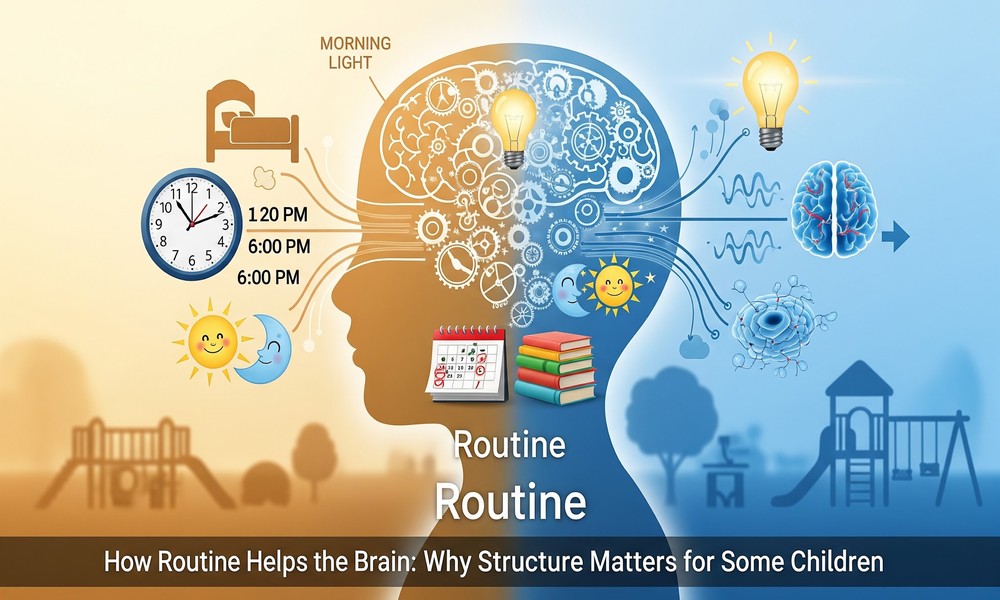
Findings across neuroscience and child development point to the same theme: predictable routines support the developing brain. Consistency can reduce stress, strengthen self-regulation, and help children build core skills over time. At home and at school, routines do more than keep the day organized. They create a reliable framework that supports learning, safety, and resilience.
This article looks at how routine affects the developing brain, why structure matters more for some children than others, and how therapists and medical professionals can help families build routines that actually last.
The Developing Brain and the Need for Predictability
Children’s brains grow through repetition and experience. When daily patterns repeat, neural pathways strengthen. That helps children learn cause and effect, anticipate what comes next, and respond with more control.
Predictability also supports the stress-response system. When a child can anticipate what is coming, the brain is less likely to interpret everyday moments as threats. For children who are especially sensitive to change, uncertainty can trigger a stronger stress response, including increased cortisol. Over time, frequent unpredictability can contribute to ongoing dysregulation.
That’s where routine helps. Morning rituals, bedtime patterns, and consistent classroom procedures give the brain “anchors” throughout the day. With those anchors in place, children often have an easier time building executive function skills such as working memory, impulse control, planning, and flexible thinking.
How Structure Supports Emotional Regulation
Emotional regulation depends heavily on the prefrontal cortex, which develops gradually through childhood and adolescence. This region supports pausing, reflecting, and managing big feelings. Still, kids cannot rely on it consistently without support, especially during stress or transition.
Structured environments lower the mental load. When expectations are clear and the sequence of the day feels familiar, children spend less energy scanning for what might happen next. That frees up capacity for managing emotions, completing tasks, and engaging socially.
This can be particularly meaningful for children who experience anxiety, behavioral challenges, sensory sensitivities, or difficulty with transitions. A predictable rhythm can raise the threshold for emotional escalation, making it easier to recover when things go off track.
In structured behavior programs for children, including evidence-based settings like Sunshine Advantage, clinicians often use predictable schedules, consistent reinforcement, and clear transitions. Tools such as visual supports and repeated practice help children understand expectations and build regulation skills over time.
The Role of Routine in School Environments
School is full of sensory input and social complexity. Hallway noise, shifting subjects, group work, and social dynamics can be difficult for children who rely on predictability.
Classroom routines can create order inside that complexity. Posted schedules, consistent transitions, and predictable work periods help children understand what the day will look like. When the brain does not have to spend as much effort tracking uncertainty, more energy is available for learning, problem-solving, and collaboration.
When educators and behavioral clinicians align, the benefits often increase. Mental health counselors at organizations like Alliance Psychology may work with families and schools to build consistent plans across settings. When home and school routines reinforce the same expectations, children have more opportunities to generalize skills and strengthen the brain patterns tied to self-regulation.
Building Consistent Routines at Home
Home routines often form the foundation for stability. Simple patterns like homework followed by downtime, or the same bedtime steps each night, can signal safety to the nervous system. When children can anticipate transitions, resistance and anxiety often decrease.
Many parents want structure but feel stuck on how to create it without constant conflict. Behavioral therapy and parent coaching can help families set realistic routines that match a child’s developmental level and needs. Small tools can make a big difference, including visual schedules, timers, and clear “first, then” language.
Parent coaching programs, including those offered by Alliance Psychology, often focus on collaborative problem-solving. The goal is consistency without harshness, plus flexibility without losing the routine altogether. That balance tends to be where routines become sustainable.
Routine and Behavioral Learning
Learning is easier when patterns stay consistent. When children see that actions lead to predictable outcomes, they can connect behavior to consequence more clearly. That supports skill-building, self-control, and independence.
Structured interventions, including applied behavior analysis (ABA), often rely on repetition and step-by-step teaching. In pediatric behavioral programs-such as ABA therapy providers in New Mexico and developmental centers like Sunshine Advantage-clinicians use structured behavior plans that reinforce emerging skills and gradually build independence. Consistent practice helps reduce confusion, improve retention, and support long-term learning.
Routine does not have to mean rigidity. The most effective systems include planned flexibility, so children learn how to handle change without becoming overwhelmed. Over time, that scaffolding supports resilience, adaptability, and confidence in new situations.
The Impact of Routine on Physical Health
Routine supports physical well-being, too. Regular sleep stabilizes circadian rhythms, which can affect mood, attention, and overall health. Consistent meal times may help stabilize energy and reduce irritability. Preventive medical visits create opportunities to identify concerns early and support development proactively.
Pediatric providers often emphasize structured daily habits because they influence both behavior and health. Organizations such as Blue Stone Health & Wellness highlight routine visits and developmental wellness monitoring. These appointments allow clinicians to track growth milestones, discuss sleep and behavior patterns, and help families strengthen health-related routines.
When physical needs are supported, regulation becomes easier. Sleep, nutrition, and preventive care create a biological base that helps children manage emotions and behavior more effectively.
Supporting Caregivers Through Stress Management
Caregivers are the engine behind consistency. Still, routines can fall apart when parents are exhausted, overwhelmed, or stretched thin. High caregiver stress can make the day feel more unpredictable, which can increase a child’s anxiety and reactivity.
Supporting caregivers is part of supporting children. Strategies like therapy, mindfulness, and practical support can increase a parent’s capacity to follow through with routines. Some families also explore complementary options such as mobile acupuncture services, including California Mobile Acupuncture, as part of broader stress support.
When adults feel more regulated, children often benefit. Nervous systems are interactive, and calm tends to spread.
Balancing Structure and Flexibility
Structure helps, but too much rigidity can backfire. Children also need to learn how to cope when plans change. The goal is not to eliminate surprises. The goal is to create a secure base that makes flexibility possible.
Gradual exposure to small changes can help children build tolerance without overwhelm. That might look like shifting bedtime by a few minutes, introducing a new morning step, or previewing a schedule change before it happens. Visual cues and advance notice often reduce stress around transitions.
Developmental wellness monitoring, like that emphasized by Blue Stone Health & Wellness: bluestonehw.com, can also help routines evolve as children grow. What works for a preschooler will not always fit a preteen. Ongoing guidance helps families adjust the structure so it stays supportive rather than restrictive.
Interdisciplinary Collaboration for Long-Term Success
Children who struggle with change often do best with coordinated support. Behavioral therapists, pediatric providers, mental health counselors, and complementary care professionals can each play a role.
In ABA settings such as Sunshine Advantage, clinicians may help families build consistent reinforcement systems. Mental health counselors at Alliance Psychology can address anxiety, emotional regulation, and family stressors. Pediatric providers, including those at Blue Stone Health & Wellness, can monitor development over time and support health-related routines. Caregiver-centered services like California Mobile Acupuncture may offer additional stress support for some families.
When these supports align, routines are easier to maintain. Consistency across home, school, and healthcare settings reinforces learning and supports long-term resilience.
Conclusion
Routine is more than a schedule on the wall. For many children, it functions as a nervous system support, shaping how they process information, manage emotions, and move through the day. For children who are especially sensitive to unpredictability, structure can create the sense of safety their brains need to focus on growth and learning.
With a clearer understanding of how predictability supports regulation, parents, educators, and healthcare professionals can build environments that feel stable without becoming rigid. With thoughtful collaboration and steady support, structure becomes empowering, helping children develop the skills they need to thrive in a changing world.