
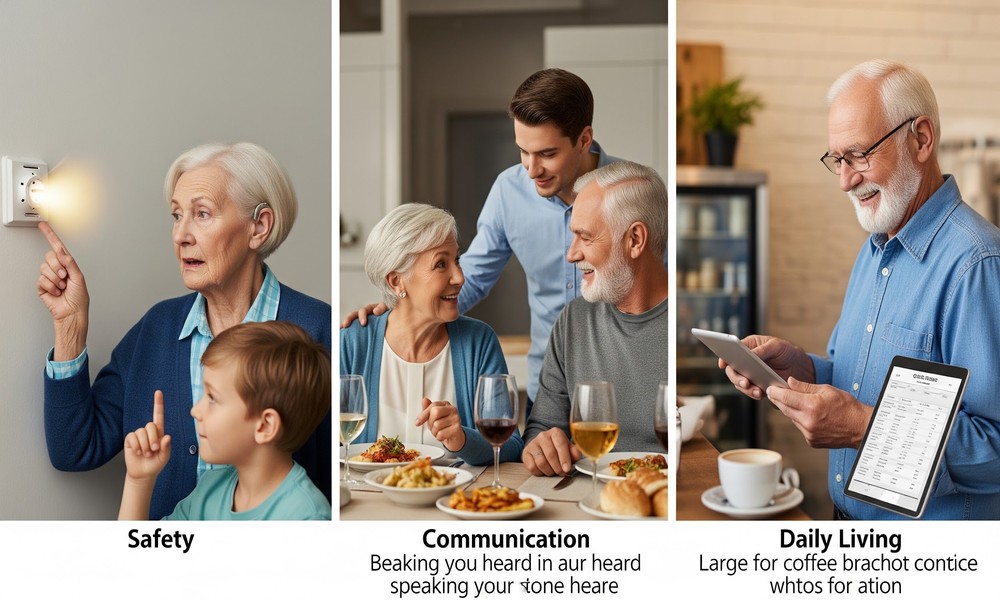
Hearing loss is one of the most common and most overlooked health challenges for older adults. Because it often happens gradually, many people chalk it up to “normal aging” and move on. But untreated hearing loss can affect far more than conversations. It can impact safety, emotional well-being, and day-to-day independence.
What may start as trouble following a discussion in a busy restaurant can slowly turn into communication strain, social withdrawal, and even a higher risk of falls. For seniors, hearing is not just a sense. It’s a key part of staying connected and aware of what’s happening around them. When hearing changes are recognized early and paired with the right support, older adults are more likely to stay safe, engaged, and confident in daily life.
Understanding Age-related Hearing Loss
Age-related hearing loss, also called presbycusis, usually develops over time. Higher-pitched sounds often fade first, which can make speech harder to understand, especially consonants and softer voices. Many seniors say, “I can hear you talking, I just can’t make out the words.”
Because the shift is so gradual, it can go unnoticed for years. Family members often spot the signs first, such as more requests to repeat, louder TV volume, or pulling back during group conversations. Left unaddressed, these changes can lead to frustration on both sides and, eventually, avoidance.
A comprehensive hearing evaluation removes the guesswork. Hearing health experts and audiology providers who offer hearing tests, hearing aids, and tinnitus management, such as Advanced Audiology Care, can identify the type and degree of hearing loss and recommend solutions tailored to the individual. A clear diagnosis is the starting point for real improvement.
Communication is Tied To Independence
Communication is at the center of autonomy in later life. Hearing loss can make it harder to speak confidently on the phone, join family gatherings, or communicate clearly with healthcare providers. When misunderstandings pile up, many people begin skipping social situations altogether.
That withdrawal can lead to loneliness and isolation, which are linked to poorer health outcomes and cognitive decline. When communication improves, social participation often returns with it.
Hearing aids can help, but the details matter. Proper fitting, education, and follow-up care are what make the difference between “I tried them” and “These actually help.” Practices such as Apex Audiology, which focus on hearing aid fitting and hearing care for older adults, help ensure devices are comfortable, well-programmed, and adjusted as needs change. Hearing aids are not one-size-fits-all. They work best when they’re personalized and supported over time.
Hearing Loss and Cognitive Health
More research is pointing to a connection between untreated hearing loss and cognitive decline. When the brain has to work harder to fill in missing sounds, it can drain mental energy that would otherwise support memory, comprehension, and focus. Over time, that added effort may contribute to fatigue and slower processing.
There’s also the social side of brain health. Conversation, shared stories, and everyday chatter provide mental stimulation. When hearing challenges get in the way of those interactions, seniors can lose an important source of cognitive “exercise” without realizing it.
Routine screenings during primary care visits can help catch hearing changes earlier. Family medicine providers, including senior care experts at Kimball Health Services, often include sensory checks as part of broader wellness evaluations. Treating hearing health as part of whole-person care, not a separate issue, leads to better outcomes.
Safety Risks Associated with Hearing Impairment
Hearing loss affects more than conversation. It can also affect physical safety. Important sounds like smoke alarms, doorbells, approaching vehicles, or kitchen timers may be missed. Some seniors also experience balance changes alongside hearing loss, which can increase fall risk.
Auditory awareness matters in emergencies, especially for older adults living alone. Missing cues can delay a response when timing is critical.
Proactive support can make a home safer. Helpful adjustments may include amplified alert systems, visual alarms, doorbell lights, or wearable devices that connect to hearing aids. When these tools are paired with attentive in-home support, safety planning becomes stronger and more consistent.
The Role of In-Home Assistance
Hearing care works best when it fits into daily life. Even with well-fitted hearing aids, many seniors benefit from reminders to wear them consistently, clean them, change batteries, and keep follow-up appointments.
In-home assistance can reinforce these routines without making a person feel managed. It can also provide something just as valuable: companionship. For seniors who have started withdrawing due to hearing struggles, regular interaction helps rebuild confidence and comfort in communication.
Organizations such as Alpenglow Homecare in Aurora, CO, offering companionship, daily assistance, and safety supervision, can support seniors as they adapt to hearing changes. Caregivers can also notice patterns, like increased confusion in certain settings or a sudden reluctance to wear devices, and share those observations with family or healthcare providers when needed.
Tinnitus and Emotional Well-being
For some seniors, hearing loss comes with tinnitus, a persistent ringing, buzzing, or hissing sound. Tinnitus can disrupt sleep, concentration, and mood. Without guidance, it can feel unsettling and hard to explain.
Audiology professionals can help with strategies that reduce the impact of tinnitus, including sound therapy and hearing aid adjustments that help mask internal noise. Addressing tinnitus often improves comfort and supports emotional resilience.
Emotional well-being plays a big role in how someone adapts to sensory changes. When hearing care includes education and counseling, seniors are more likely to approach adjustments with patience and confidence, rather than frustration.
Supporting Family Communication
Hearing loss affects families, too. Loved ones may feel unsure how to help, or they may unintentionally make communication harder by speaking from another room, talking too fast, or raising their voice in a way that distorts speech.
Small changes can help a lot. Facing the person, speaking clearly (without shouting), and reducing background noise can make conversations easier. Family involvement in audiology appointments also helps everyone understand how devices work and what communication strategies actually help at home.
When everyone adapts together, communication becomes a shared effort, not a burden carried by one person.
Integrating Hearing Care into Overall Health Planning
Hearing health deserves the same attention as vision checks or blood pressure monitoring. When hearing evaluations are part of regular healthcare planning, changes are more likely to be addressed early, before they snowball into bigger problems.
The best support often comes from a team approach. Audiologists provide diagnoses and hearing solutions. Primary care providers oversee overall health and screen for changes. Homecare teams reinforce daily routines and safety. Different roles, same goal: helping seniors stay independent, safe, and connected.
Technology and Modern Hearing Solutions
Today’s hearing aids are far more advanced than many people realize. Many models reduce background noise, automatically adjust to changing listening environments, and seamlessly connect to smartphones for calls, music, and streaming. These innovations can make everyday activities-like watching TV, attending services, or dining out-feel enjoyable and manageable again.
However, technology alone isn’t a magic switch. Seniors often achieve the best outcomes with personalized guidance and professional support. The hearing aid experts in Northeast Colorado Springs, CO, at Apex Audiology emphasize that proper device selection, fitting, and programming are just as important as the technology itself.
According to Apex Audiology, ongoing follow-up care ensures hearing aids continue to meet evolving needs. Seniors benefit from hands-on instruction, realistic expectations, and regular adjustments to keep devices comfortable and performing at their best. With expert audiology care and modern hearing solutions working together, individuals can experience clearer hearing and a renewed sense of confidence in their daily lives.
Maintaining Dignity and Autonomy
Addressing hearing loss is also about dignity. The ability to understand and be understood supports confidence in medical conversations, decision-making, and social life. When seniors can hear clearly, they can advocate for themselves more easily and stay active in their communities.
When hearing care is paired with medical coordination and thoughtful in-home support, older adults are not defined by sensory changes. They’re supported as they adapt, and that support can make daily life feel steadier and more empowering.
Conclusion: Listening As A Lifeline
Hearing loss in seniors is not just an inconvenience. It’s a health issue with real consequences for safety, communication, and emotional well-being. Early testing, personalized hearing solutions, supportive medical oversight, and practical in-home help can work together to protect independence.
When hearing care is treated as part of comprehensive aging support, older adults are more likely to stay connected, secure, and confident in everyday life. Listening, after all, is more than sound. It’s a lifeline to relationships, safety, and a meaningful sense of belonging.
If you want, I can also adapt this into a shorter blog version, a newsletter format, or an SEO-optimized version with suggested keywords and meta description.