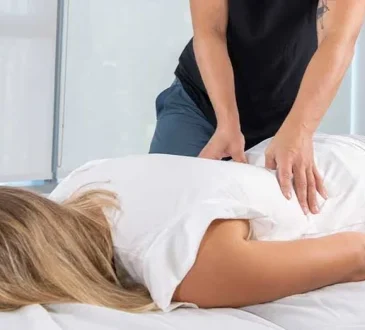

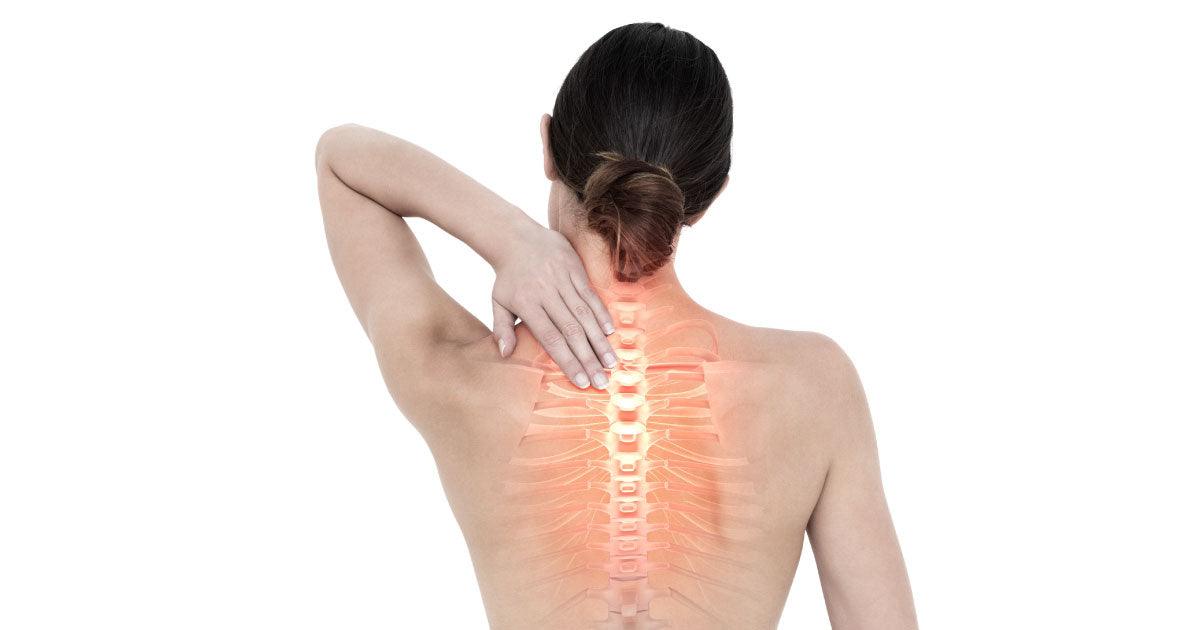
Upper and middle back pain in women is often dismissed or attributed to “bad posture” without much investigation. But this region of the back—the thoracic spine—can be a source of significant, even debilitating discomfort, and the causes are more varied than most people realize.
Investigating the most common upper middle back pain causes female patients experience reveals a mix of structural and lifestyle factors. These include muscle strain from repetitive movements, herniated thoracic discs, gallbladder issues, and osteoporosis-related compression fractures. Women also face unique contributors like bra strap pressure, pregnancy-related postural changes, and hormonal effects on joint laxity that can make the spine more vulnerable to irritation.
Anatomy of the Upper and Middle Back
The thoracic spine (T1-T12) is the region between the neck and lower back. It’s more stable than the cervical or lumbar spine because the rib cage reinforces it – which means disc herniations here are less common. But that same stability means the muscles and joints in this region carry significant postural load.
The area from the shoulder blades down to the waist covers:
- Rhomboids and trapezius muscles (between and around shoulder blades)
- Erector spinae (run alongside the spine)
- Thoracic vertebrae and discs
- Costovertebral joints (where ribs attach to spine)
- Referred pain zones for liver, gallbladder, kidneys, stomach, and lungs
Common Causes in Women
Muscle Strain and Tension
The most frequent cause. The rhomboid and trapezius muscles are under chronic strain in anyone who:
- Sits at a desk for hours
- Uses a mouse or types extensively
- Carries a heavy bag on one shoulder
- Sleeps in a poor position
The pain is typically a dull ache or tightness between or under the shoulder blades that worsens with prolonged sitting or particular movements.
Poor Posture (Including “Text Neck” and Forward Head Posture)
When the head and shoulders round forward – whether from desk work, phone use, or fatigue – the upper back muscles work constantly to hold the head up. Over time this causes chronic muscle overload and thoracic kyphosis (rounding of the upper back).
Women with large breasts often experience more pronounced upper and middle back pain due to the forward pull on the chest and shoulder girdle.
Gallbladder Pain (Referred)
This is one of the most important – and most commonly missed – causes of upper right back pain in women. Gallbladder dysfunction or gallstones can cause referred pain that feels like it’s coming from the right side of the upper-middle back or right shoulder blade.
Clues that point to gallbladder:
- Pain after eating fatty meals
- Associated nausea
- Pain that comes in waves
- Located just below or at the right shoulder blade
Osteoporosis and Compression Fractures
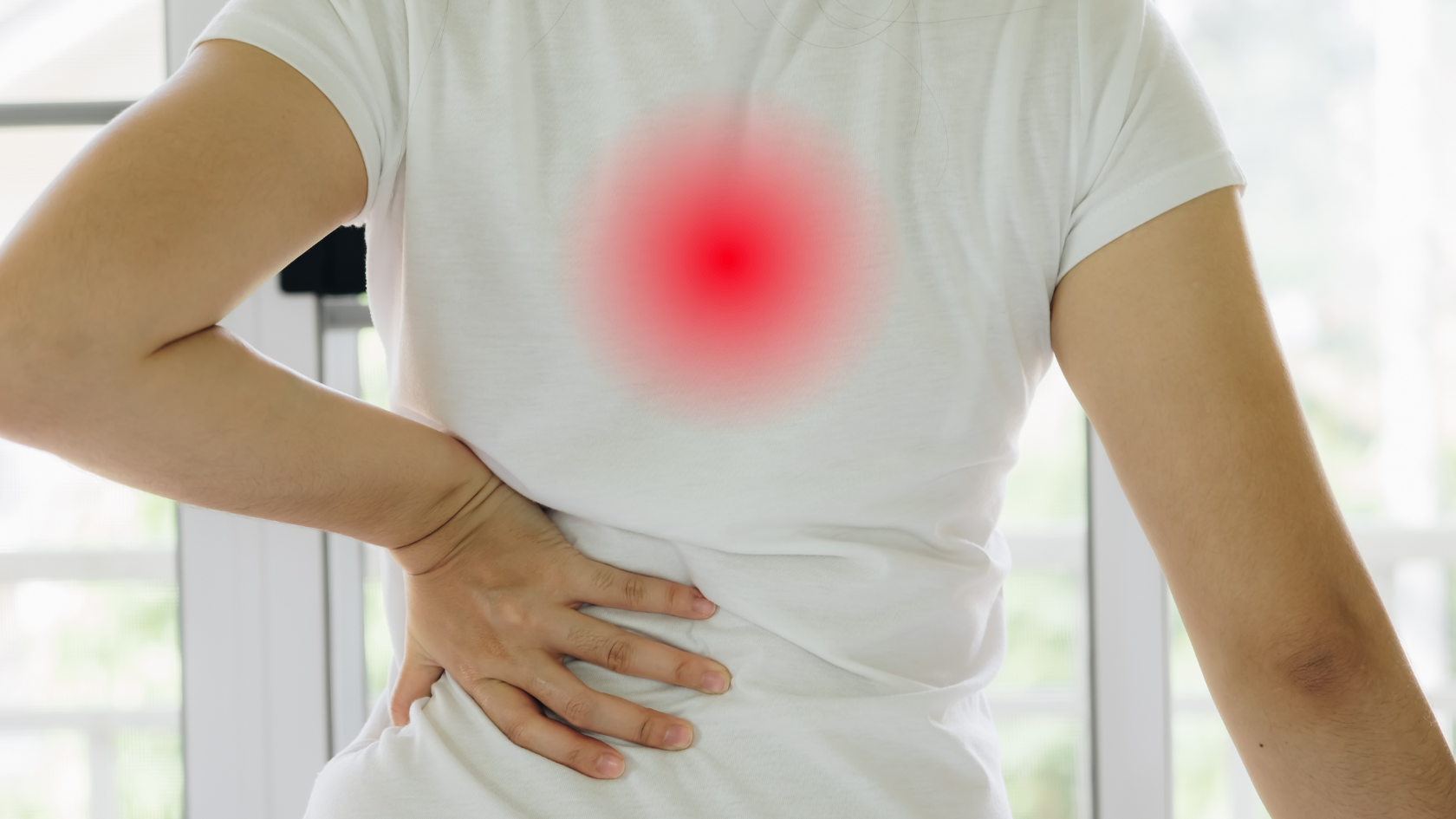
Women are significantly more prone to osteoporosis than men, particularly after menopause. When bone density drops, vertebrae in the thoracic spine are vulnerable to compression fractures – which can occur even from minor activities like bending or lifting.
A sudden onset of mid-back pain in a postmenopausal woman should always raise suspicion for a compression fracture.
Herniated Thoracic Disc
Less common than lumbar disc herniations, but they do occur. A bulging or herniated disc in the thoracic spine can compress nerves, causing pain that:
- Wraps around the ribs (like a band or belt)
- May cause numbness or tingling in the front of the torso
- Can worsen when coughing, sneezing, or straining
Costochondritis and Rib Joint Pain
The joints where the ribs attach to the spine (costovertebral joints) can become inflamed and painful, causing a localized, sometimes sharp pain in the mid-back that worsens with breathing, twisting, or pressure on the area.
Kidney Infection or Stones (Right or Left Mid-Back)
Kidney pain is felt in the flank – the area below the ribs on either side of the back. A kidney infection (pyelonephritis) causes a persistent, dull to intense aching in this area, usually on one side, along with fever, chills, and urinary symptoms.
Kidney stones produce intense, wave-like pain that radiates from the flank around to the front.
Scoliosis
An abnormal lateral curvature of the spine can cause asymmetrical muscle tension and chronic upper-middle back pain. Often diagnosed in adolescence, it can be missed in mild cases and become symptomatic in adulthood.
Pregnancy-Related Back Pain
During pregnancy, the growing uterus shifts the center of gravity forward, increasing the curve of the lower back and straining the upper back and thoracic muscles. Relaxin (a pregnancy hormone) also loosens ligaments throughout the spine, contributing to instability and pain.
Symptom Patterns and Likely Causes
| Pain Pattern | Most Likely Cause |
|---|---|
| Dull ache between shoulder blades, worse with sitting | Muscle tension / poor posture |
| Right shoulder blade pain after meals | Gallbladder referral |
| Sudden severe pain in mid-back after minor activity | Possible compression fracture |
| Band-like pain wrapping around ribs | Thoracic disc or nerve involvement |
| One-sided flank pain with fever/urinary symptoms | Kidney infection |
| Pain that worsens with deep breath | Costovertebral joint issue or pleuritis |
What Helps
For Muscle Tension and Postural Pain
- Thoracic spine mobility exercises – cat-cow stretch, thoracic extension over a rolled towel or foam roller
- Strengthening the middle and lower trapezius – reduces the strain on overworked muscles
- Ergonomic improvements – monitor height, chair support, keyboard positioning
- Regular breaks from sitting – set an alarm for every 30-45 minutes
- Heat therapy – loosens tight muscles effectively
For Osteoporosis Risk
- Weight-bearing exercise (walking, resistance training) builds bone density
- Calcium and vitamin D are essential – many women are deficient in both
- DEXA scan recommended for postmenopausal women or those with risk factors
For Gallbladder-Related Pain
- Low-fat diet reduces gallbladder stimulation
- See a doctor for ultrasound if the pattern fits
When to See a Doctor
Seek urgent care if:
- Pain came on suddenly and is severe, without an obvious cause
- You’re postmenopausal and have sudden new mid-back pain
- Pain is accompanied by fever, chills, or urinary symptoms (kidney infection)
- There’s associated numbness, tingling, or weakness in the legs or torso
See a doctor for evaluation if:
- Pain has lasted more than 2-3 weeks without improving
- It’s disrupting sleep
- Over-the-counter pain relief and stretching haven’t helped
Bottom Line
Upper and middle back pain in women has a wide range of causes – many of them very treatable once correctly identified. Muscle tension and postural strain account for the majority of cases. But the gallbladder referral pattern, osteoporotic fractures, and kidney involvement are important not to miss. Pay attention to the full picture – when it hurts, what makes it worse, and what else is happening in your body.